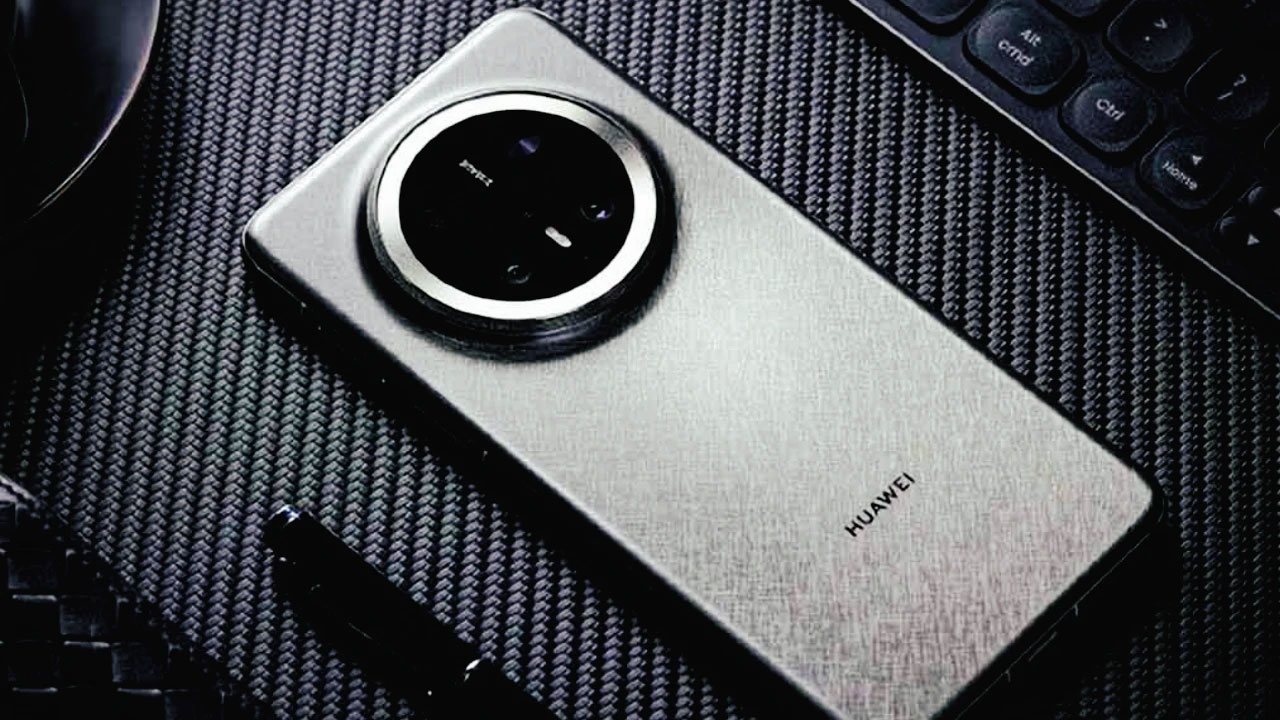
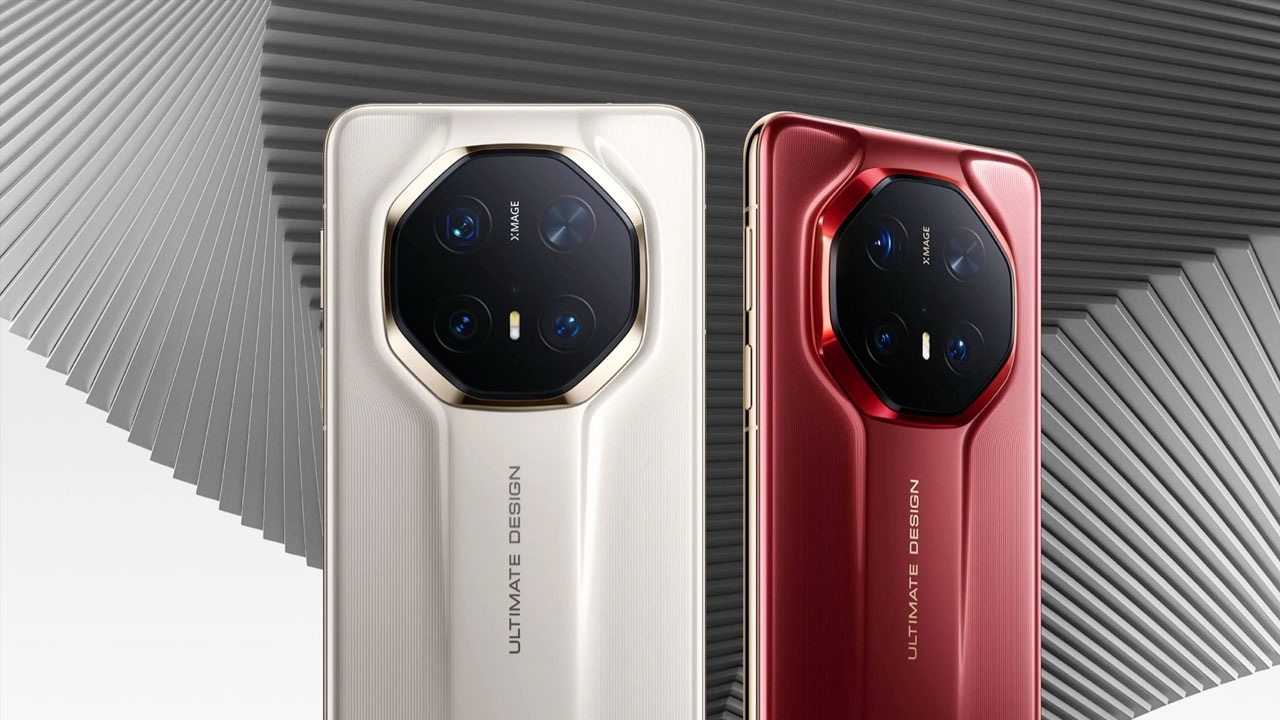
Huawei’s Mate 80 and Mate 80 Pro share 5,750 mAh batteries and triple rear cameras.
The two models share several components, such as the display and battery, resulting in a design that is nearly identical across both devices.
Each phone is equipped with an identical 6.75-inch LTPO OLED display that can shift its refresh rate between 1Hz and 120Hz. The panel has a resolution of 1280 × 2832 pixels, supports 1.07 billion colors, and provides complete P3 color-gamut coverage. Additional technical specifications include 1440Hz Pulse Width Modulation (PWM) dimming and a 300Hz touch sampling rate.
Huawei Achieved the Highest Value!
According to Huawei, the display is capable of reaching a maximum brightness of 8,000 nits, which the company states is the highest ever achieved by a phone panel.
• The display is covered by the second-generation Kunlun Glass for protection.
• Both phones are equipped with identical biometric and communication features, including a 3D ToF face-scanning camera, a side-mounted fingerprint reader, and the ability to use satellite communication.
The Mate 80 Pro utilizes the Kirin 9030 processor, while the standard Mate 80 features the Kirin 9020. Specific technical details on these chipsets are currently scarce.However, Huawei has stated that the Kirin 9030 offers a 35% performance improvement over the Kirin 9020, which in turn provides a 35% increase in speed compared to the Kirin 9010.
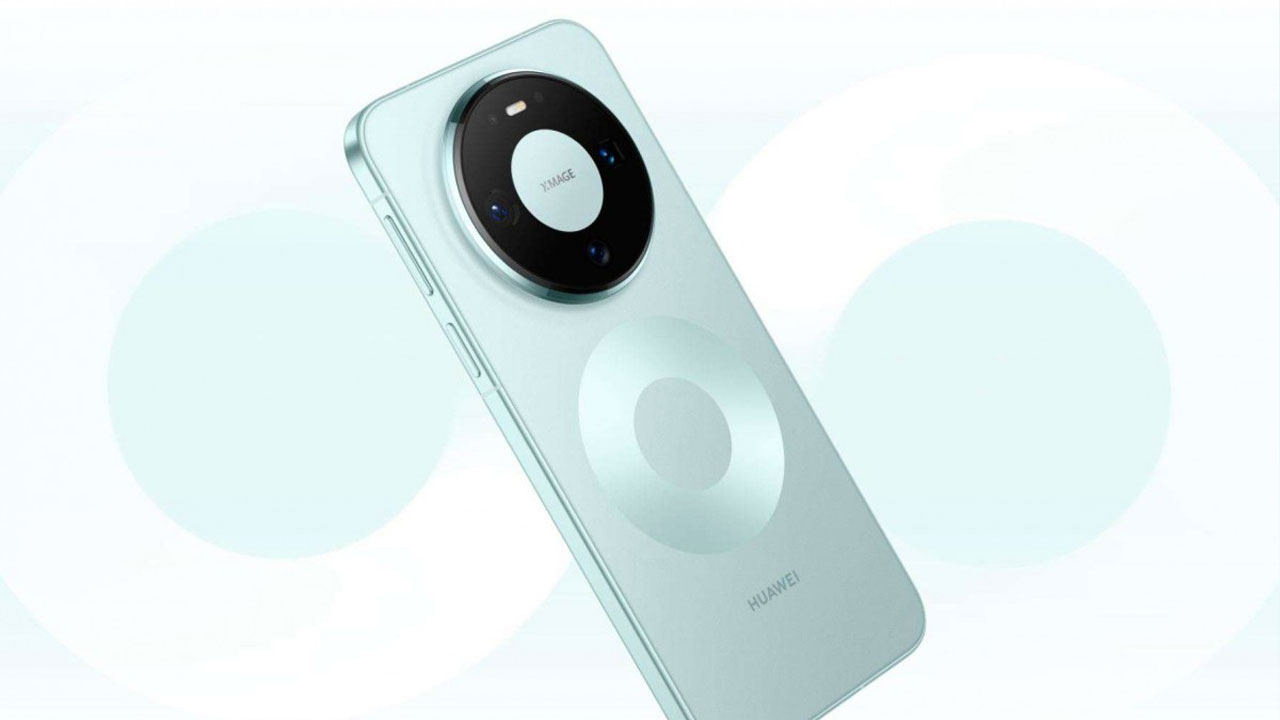
The Mate 80 Pro Max Has The Kirin 9030 Pro Integrated
An additional processor, the Kirin 9030 Pro, is integrated into the Mate 80 Pro Max. This chip is positioned as an upgrade over the Kirin 9030 found in the Mate 80 Pro.Huawei claims the 9030 Pro is approximately 42% faster than the Kirin 9020.Based on the previous performance figures, this would suggest the Kirin 9030 Pro offers a 7% speed increase over the Kirin 9030 non-Pro version.
The Mate 80 Pro Max is exclusively offered with 16 GB of RAM. In contrast, both the standard Mate 80 and the Mate 80 Pro begin with 12 GB of RAM, with their highest-tier configurations going up to 16 GB.Both devices are equipped with a 5,750mAh battery, though the Mate 80 Pro features significantly faster charging capabilities, supporting up to 100W wired and 80W wireless charging. The regular Mate 80 continues to offer strong charging performance with 66W wired charging and 50W wireless charging.
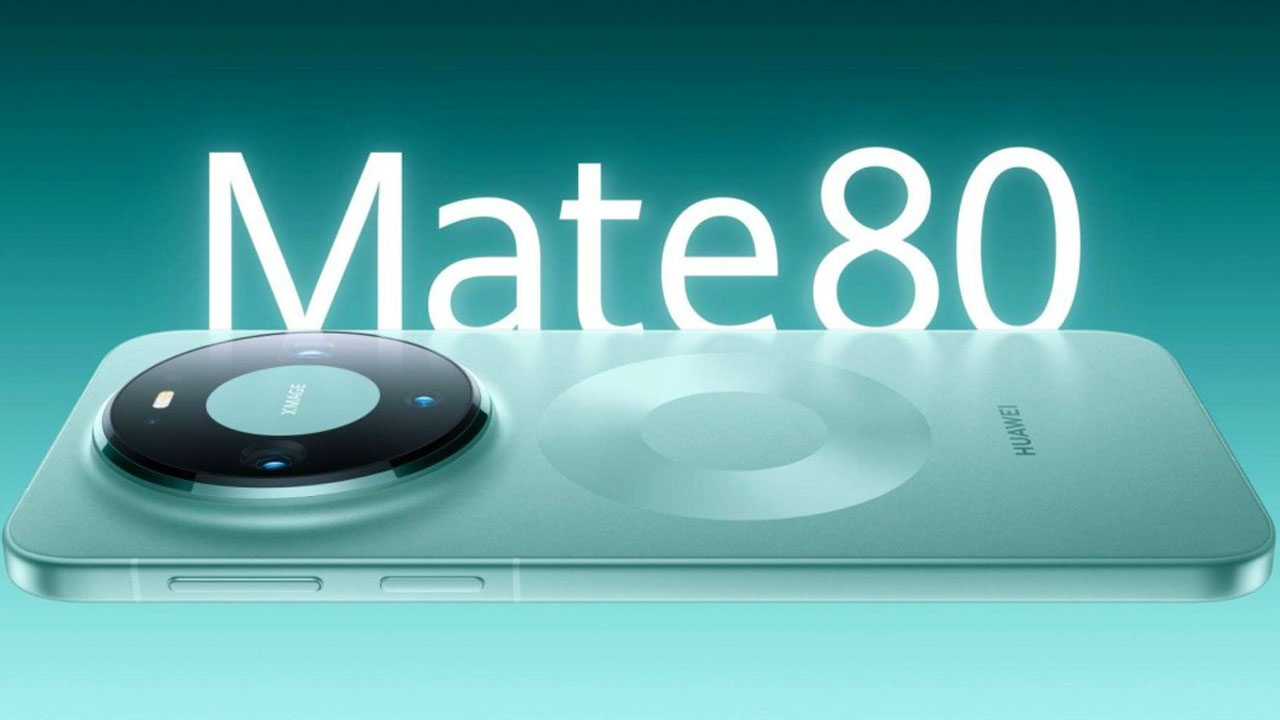
In terms of cameras, the two models have both overlaps and differences. Each device includes a triple rear-camera setup and uses the same 13MP front camera with an f/2.0 autofocus lens.
Mate 80 Featuring A Triple Rear Camera Setup
The Mate 80 features a triple rear camera configuration beginning with a 50MP wide-angle sensor, utilizing a 1/1.28-inch RYYB sensor and a variable aperture lens that ranges from f/1.4 to f/4.0.This is complemented by a 40MP ultrawide camera with an f/2.2 lens, and a 12MP telephoto camera providing 5.5\times optical zoom via a 125mm f/3.4 lens.
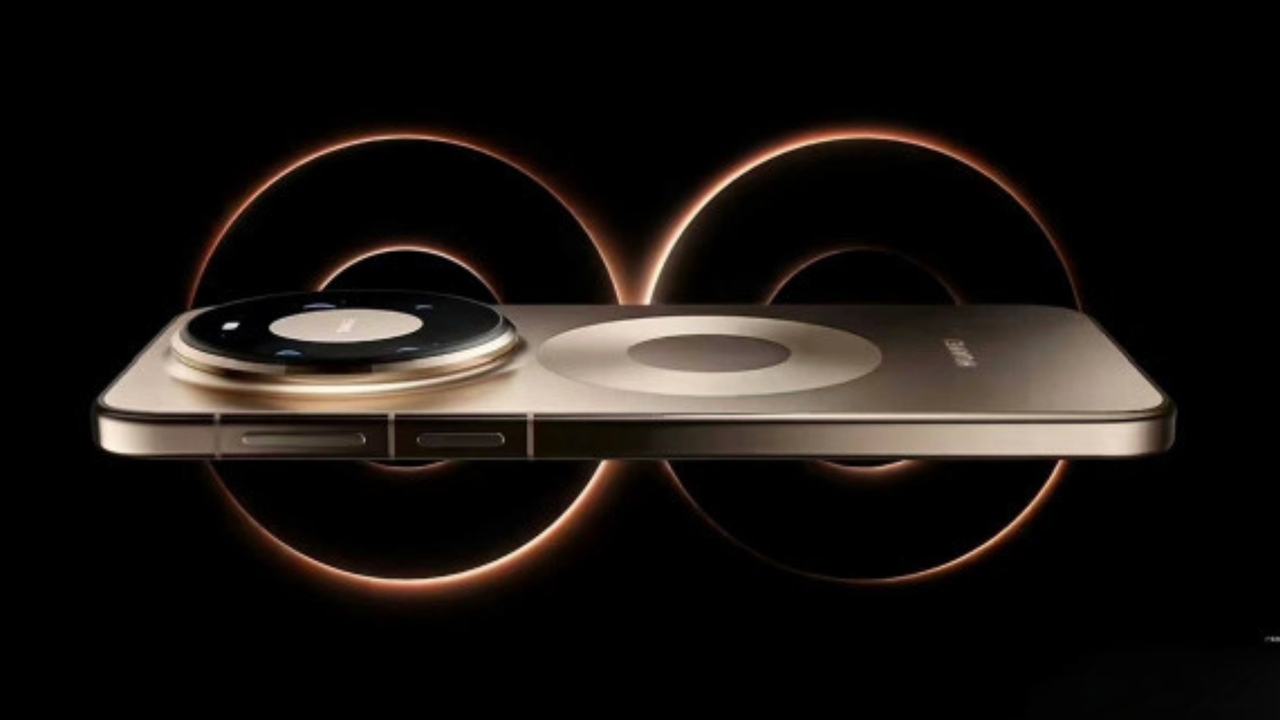
The Mate 80 Pro retains the same wide-angle and ultrawide cameras as the standard model, but differentiates itself with an improved telephoto unit. This sensor is 48MP and utilizes a 4\times (92.5mm equivalent) telephoto lens, which features a notably brighter f/2.1 aperture.• Both camera systems utilize Huawei’s second-generation Red Maple imaging chip, which is responsible for tuning image processing and color.