Blog

  • Apple to Blend More Ads into Search Results This March

    Apple to Blend More Ads into Search Results This March

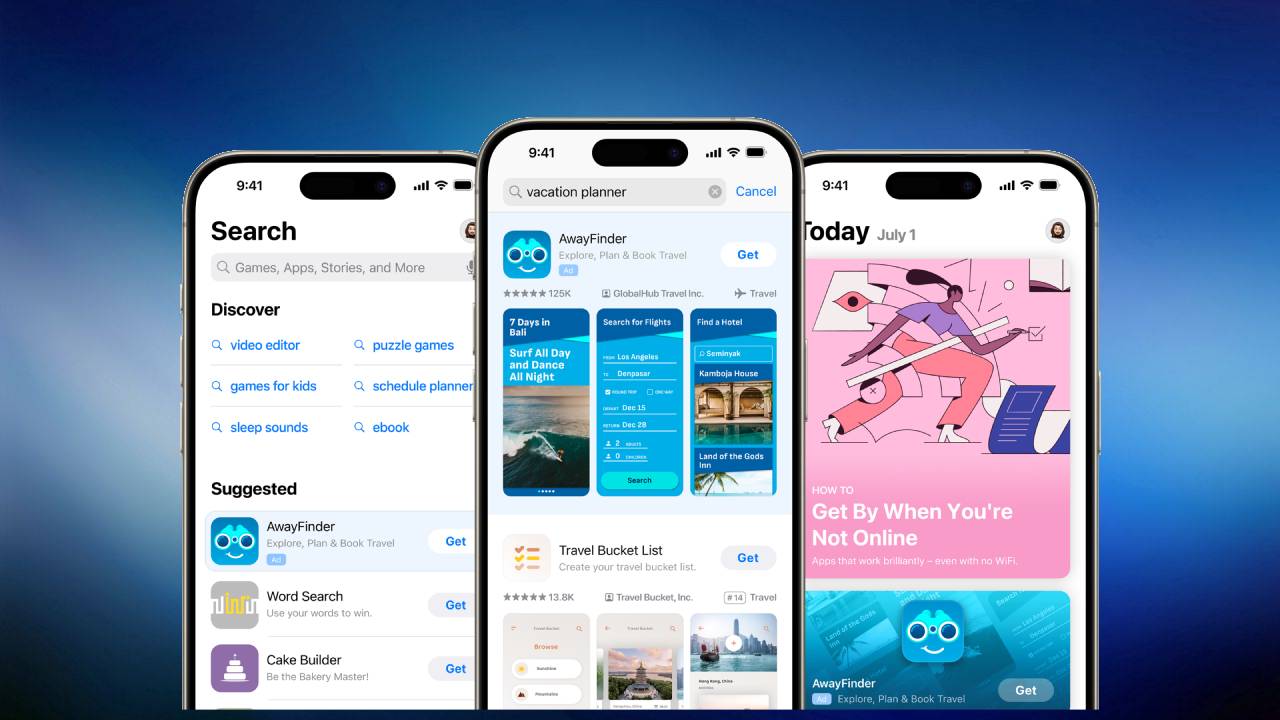
    Apple is ramping up its ad game in the App Store, a change that’s going to alter how most of us find new apps on the iPhone.

    Come March 3, 2026, you won’t just see that single sponsored suggestion at the top of your search anymore. Instead, Apple is moving to a layout where multiple ads are sprinkled directly into the results list as you scroll, effectively blending paid placements with the apps you were actually looking for.

    This significant shift in digital real estate kicks off initially in the UK and Japan, with aggressive plans to roll out to all global markets—including the United States—by the very end of the month.

    Apple Ads Seamlessly Integrates Into The Organic Search Results!

    For years, the “Apple aesthetic” implied a cleaner, less cluttered user experience. But as hardware sales naturally plateau, the tech giant is leaning much harder into its Services division for reliable revenue growth. By blending ads seamlessly into the organic search list, Apple opens up highly valuable inventory for developers who have long fought for visibility in a crowded marketplace where 65% of all downloads happen immediately after a search.

    The silver lining for app makers is that the transition is entirely automatic; Apple’s intelligent matching system will slot existing campaigns into these new positions without requiring complex manual updates. However, for the average user, this means the line between a genuine search result and a paid placement is about to get significantly blurrier. You might soon scroll past multiple “suggested” apps before finding the specific tool you typed in. While this move undoubtedly boosts Apple’s bottom line, it signals a new era where the App Store feels less like a curated library and more like a bustling marketplace.

  • Baseus Charges Into New Categories at CES 2026

    Baseus Charges Into New Categories at CES 2026

    If you have ever felt that “low battery” panic while out and about, you know how much a reliable charger matters.

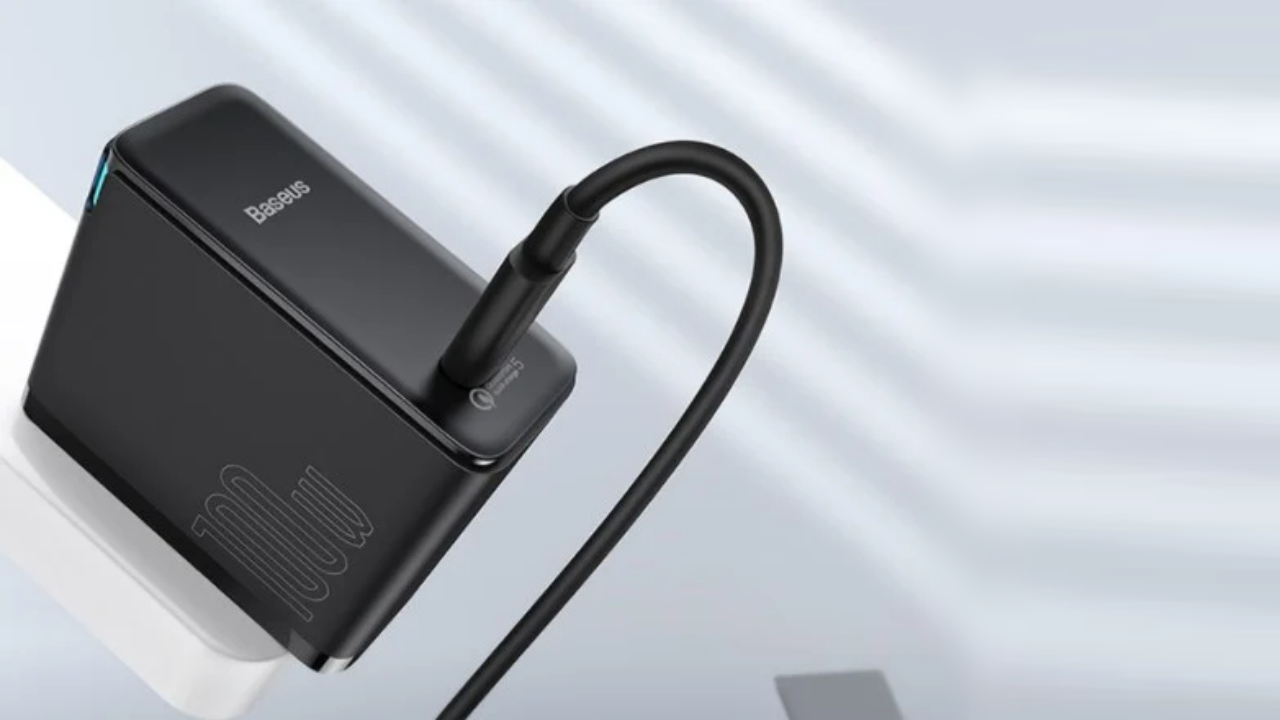
    This year at CES 2026, Baseus showed that they are moving far beyond just simple cables and bricks. They are clearly trying to become a one stop shop for our digital lives, branching out into everything from smart home security to high end audio.

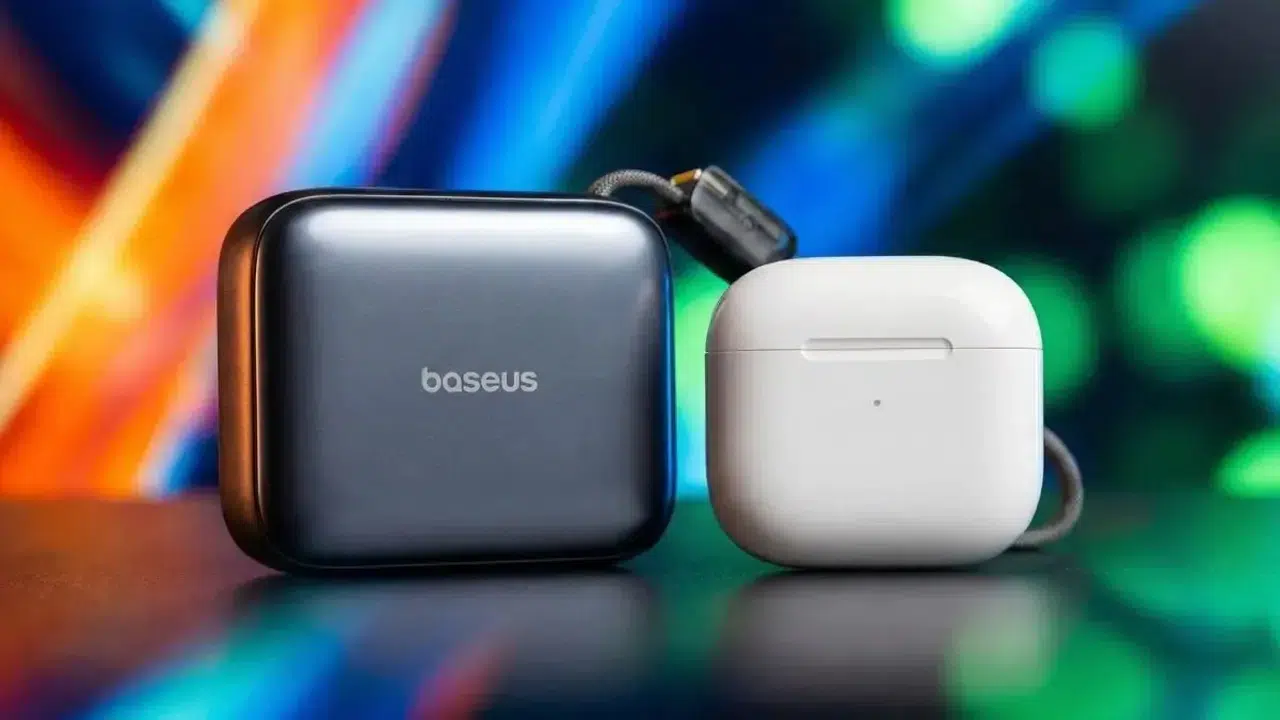
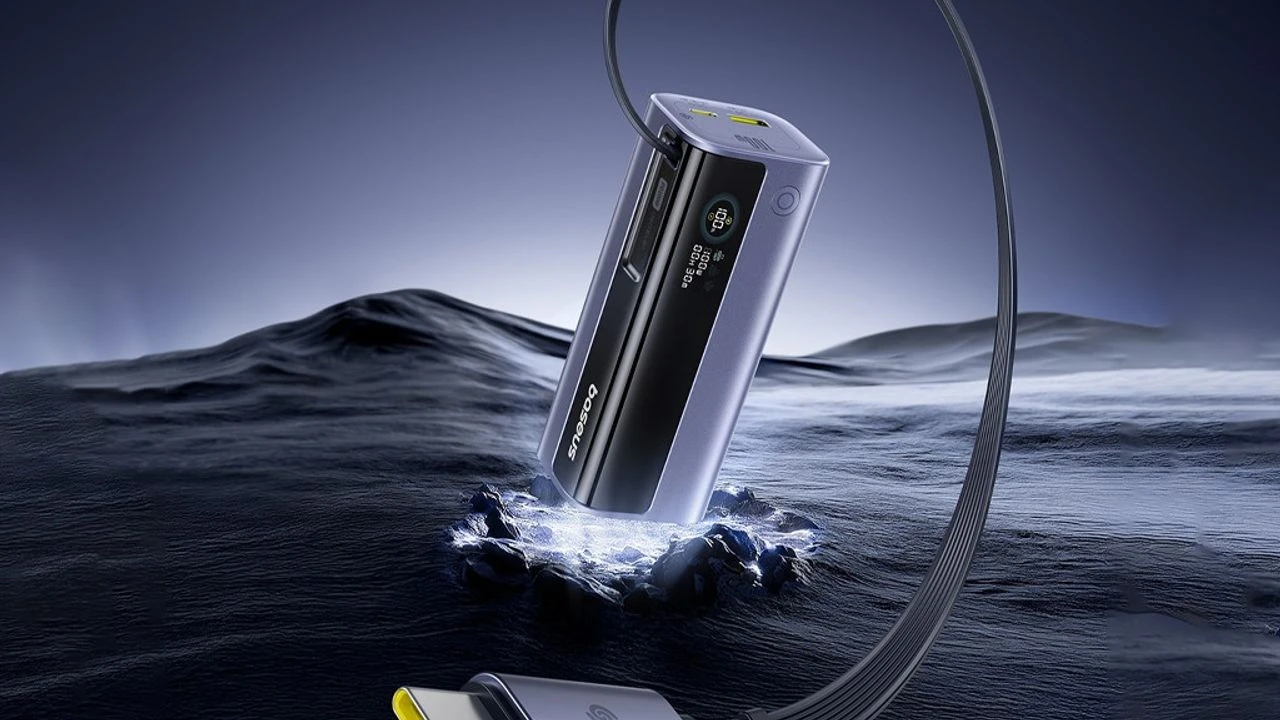
    The star of their booth was the PicoGo series. The new AM52 power bank is incredibly thin and supports the latest wireless charging standards, so it snaps onto your phone without making it feel like a brick. Even more impressive is the AC22 Ultra Mini. It is roughly the size of an earbud case but packs enough punch to fast charge a laptop. It even has a built in cable that doubles as a carrying strap, which is one of those small, thoughtful touches that makes life a little easier.

    Baseus Introduced The Spacemate RD1 Pro!

    Baseus is also getting serious about the “pro” workspace. They unveiled the Spacemate RD1 Pro, a massive 15-in-1 docking station that can run multiple 4K monitors while wirelessly charging your phone on a pop up pad.

    The biggest surprise, though, was their jump into home security with the X1 Pro camera. It uses AI to track movement across your yard, proving that Baseus wants to protect your home just as much as they want to power your phone. It feels like they are finally growing from a budget accessory brand into a serious tech heavy hitter.

  • Artificial General Intelligence (AGI) Is Now Rapidly Approaching Reality!

    Artificial General Intelligence (AGI) Is Now Rapidly Approaching Reality!

    According to Google DeepMind co-founder Shane Legg, Artificial General Intelligence (AGI) is no longer a distant fantasy but a reality quickly closing in.

    This breakthrough is expected to do more than just upgrade our gadgets; it is likely to flip the global economy on its head. To prepare, DeepMind is forming a specialized research unit to figure out how we will manage life and business once AGI becomes part of our daily lives.

    Rethinking the Financial Future

    The organization is currently recruiting a “Chief AGI Economist” to lead a team studying the future of wealth and influence. This role isn’t about tracking stock market fluctuations. Instead, it explores how “scarcity” might vanish when machines can produce almost anything.By running sophisticated digital trials, the team wants to build fresh economic models that actually work when the old rules of finance finally break down.

    A New Standard for Intelligence

    Today’s AI is built for narrow tasks, but AGI is about human-like adaptability-the gift of taking a lesson from one area and using it to solve a totally different problem. Imagine a single machine doing your laundry at home and then switching gears to handle a professional project at the office.This level of versatility is Legg’s ultimate goal.

    While these predictions have existed for decades, the technology is finally catching up to the vision. In a future where machines handle the bulk of labor and production capacity becomes nearly limitless, our current understanding of “value” will be fundamentally challenged. DeepMind’s mission is to map out how production and distribution will function in this brave new world.

  • OpenAI Begins Testing Ads in ChatGPT Android App

    OpenAI Begins Testing Ads in ChatGPT Android App

    Code found in the newest beta version suggests that these ads will focus on content from a marketplace and search results.

    The latest beta version of the ChatGPT Android app secretly includes new code pointing to an ads system. This shows that the company plans to introduce advertising in its mobile product for the first time.

    When the 1.2025.329 beta APK was analyzed, new code references were discovered for the first time.
    The code that was found included terms such as an “ads feature,” “bazaar content,” “search ad,” and a “search ads carousel.” The ads will likely target particular use cases such as search results, shopping, and recommendation surfaces, rather than appearing in every individual user conversation.

    ChatGPT’s Normal Responses Can Be Seen

    The existence of code for a “search ads carousel” and “bazaar content” strongly implies the development of displays for selling products. These commercial ads are expected to show up next to ChatGPT’s regular answers whenever a user asks for product suggestions or makes a shopping query.

    The implementation of this new advertising strategy by OpenAI is completely consistent with a similar methodology that has been previously utilized and successfully established by other major technology companies, such as Google’s AI Overviews feature and Microsoft’s Copilot tool. Those services already deliberately merge advertisements into the answers generated by their artificial intelligence systems, especially when the subject matter being addressed by the user is related to commercial endeavors or general shopping queries.

    Perplexity’s Speech- Based Search Platform Is Also Used As An Important Example

    The conversational search platform developed by Perplexity is also frequently cited and utilized as a significant example in this domain, primarily because its system deliberately integrates and positions financially sponsored suggestions for follow up searches immediately adjacent to the standard, non-commercial responses that the AI generates for user questions.

    Introducing ads is a sensible step for OpenAI to help pay for the operational costs of serving people who use the platform for free. This strategy makes even more sense as the service expands its focus on shopping and commercial guidance.

    No Ads Will Be Displayed in Paid Premium Versions

    ​​​​​​​This method would probably keep the paid, premium versions free of advertisements. This preserves a clean experience for customers who pay, while still earning money from the large number of free users.
    For the general public, this represents another step toward combining AI assistants with the established search platforms that rely on advertising. This happens as ChatGPT begins to use models that have already proven successful for Google, Microsoft, and others.

    The exact schedule for when the public will receive this feature is still unknown. However, the evidence found in the application’s code confirms that the feature is moving closer to being fully implemented.

  • Samsung FeFET Memory: 96% Power Cut, Higher Capacity Unveiled

    Samsung FeFET Memory: 96% Power Cut, Higher Capacity Unveiled

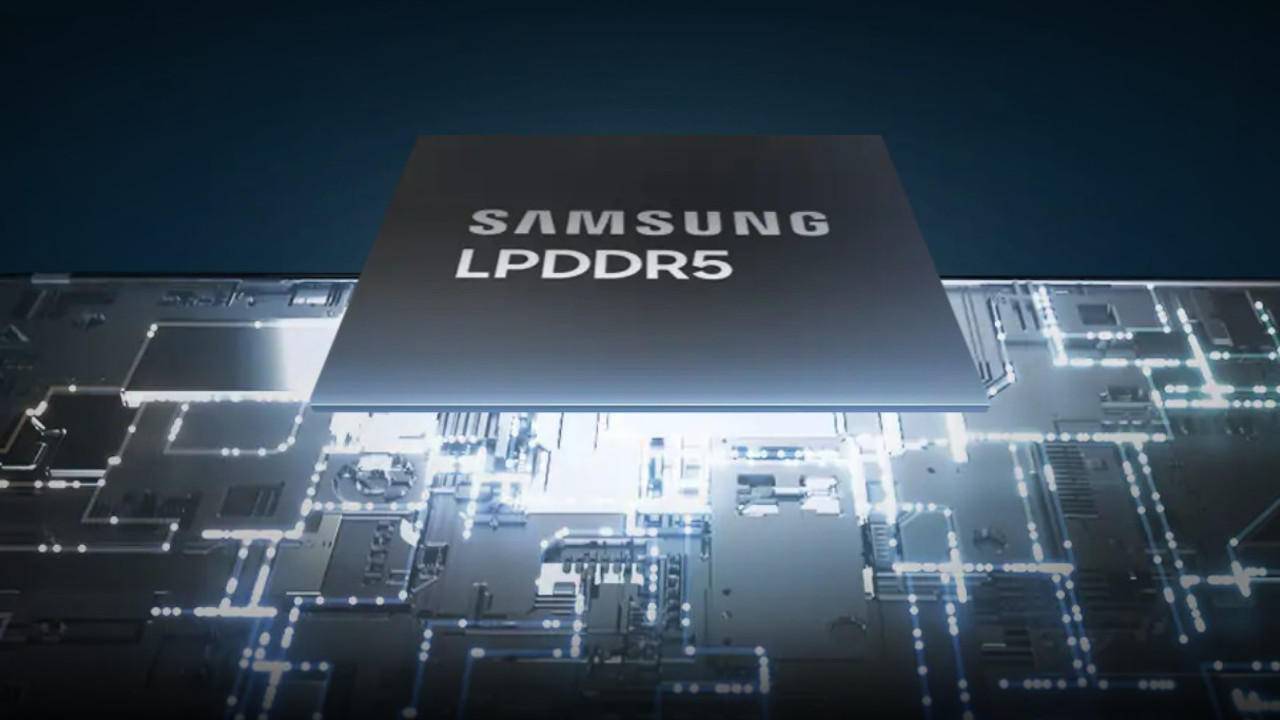
    As data-focused computing and AI technologies become widely used, there’s a growing need for storage devices that can hold more data while using less power.

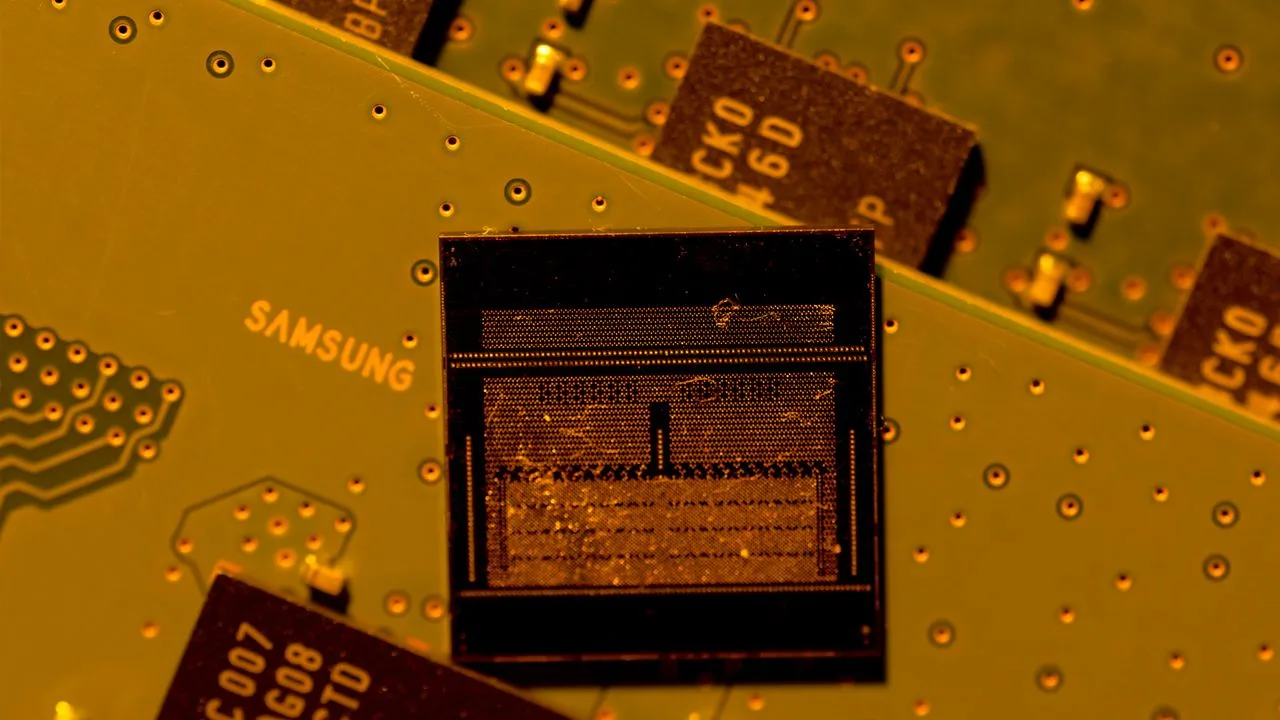
    However, the popular NAND flash memory has a disadvantage. It uses a lot of electricity because of limits in how it is designed. In this context, researchers at Samsung Electronics announced a new memory technology using ferroelectric transistors, or FeFET. It can hold more data while using almost no electricity. The study was published on the 27th of the month in the international journal Nature.

    NAND Flash Uses A “Array” Structure!

    NAND flash uses a “string” structure. In this structure, many memory cells are connected one after the other in a line.
    The problem with this structure is that to read the data from one cell, electricity must also be applied to the cells next to it. This extra electricity is known as the “pass voltage.”

    This necessary electricity is called “pass voltage.” Because this voltage is required, there is a limit in the structure: the more memory cells there are, the more power is used. However, if the pass voltage is lowered, the signal difference needed to distinguish between memory cells becomes smaller. This makes it much harder to use “multilevel storage,” which means storing several values in one cell.

    Researchers Have Developed FeFET Memory Using Ferroelectric Material

    To solve these issues, the researchers created FeFET memory, which uses a specific ferroelectric material
    A ferroelectric material can be controlled by outside electricity to set its internal direction. Importantly, it holds that state for a long time even after the electricity is removed, and this feature is used to store data.The researchers created a new FeFET by combining two materials: hafnia ferroelectric containing zirconium, and an oxide semiconductor channel.

    The new FeFET memory could reliably store up to 5 bits of data per cell. It achieved this even when the pass voltage was reduced to almost zero. Importantly, when compared to traditional NAND, this new technology could save up to 96% of the electricity used in the string structure.This effectively allows the memory to hold significantly more information while using almost no energy. The technology could be used in areas where saving energy is essential, including AI servers, mobile devices, and Edge Computing.

    New FeFET’s High Performance Confirmed!

    The researchers confirmed that the new FeFET maintains its high performance even when it is built in a three dimensional (3D) structure that stacks vertically, like the design of current NAND. Specifically, it worked reliably even in very tiny cells with a short channel length of 25 nm. Since a nanometer is one billionth of a meter, this confirms there are no problems for making the devices very dense and compact.

    This study is important because it solves the main issue of NAND flash. That issue is that “lowering power reduces capacity, and increasing capacity raises power.” The researchers stated that the new FeFET memory is a next generation technology that improves capacity, power efficiency, and reliability simultaneously. They noted it could be used to limit growing energy consumption in areas like neuromorphic and in-memory computing, where NAND architectures are currently important.

  • iPhone Case Offers Users Artificial Intelligence Efficiency

    iPhone Case Offers Users Artificial Intelligence Efficiency

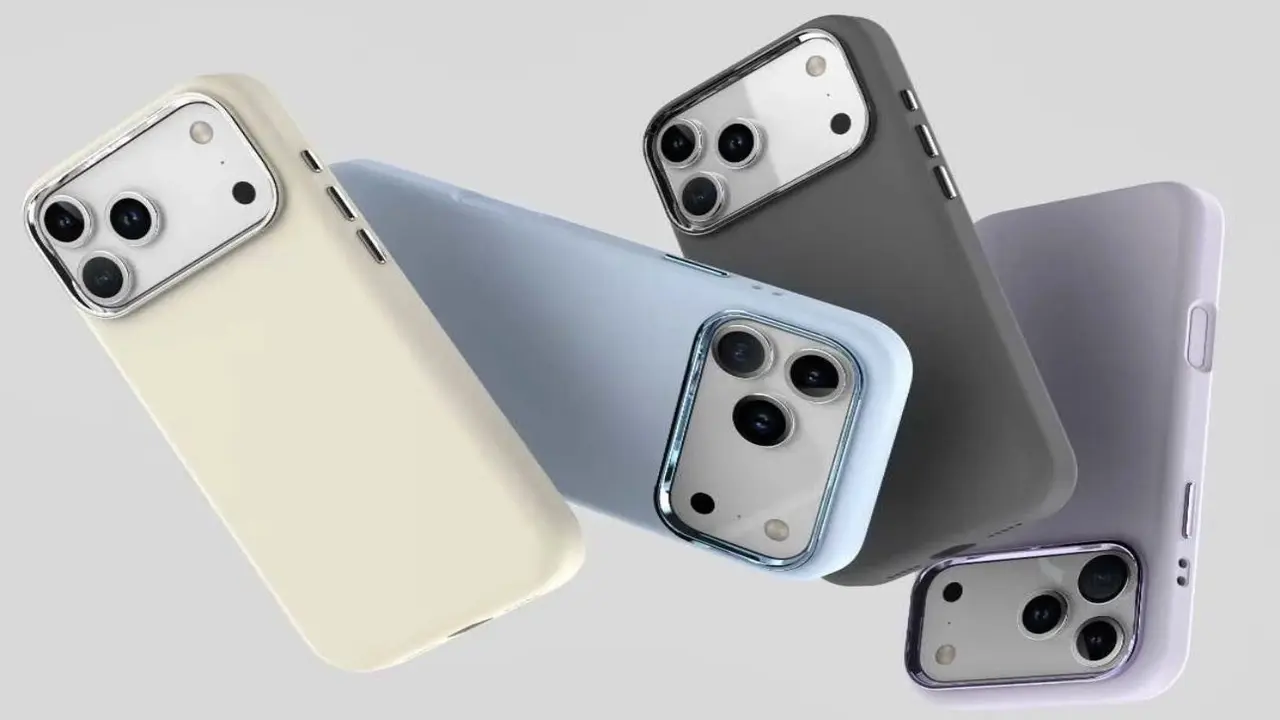
    iPhone case features E Ink screen for AI productivity.

    Recently, quite a few brand new phones featuring electronic paper displays, also called E Ink screens, have been introduced and released into the consumer marketplace. These devices are specifically designed for easier, low-glare viewing. The main goal is to boost productivity and reduce eye strain for people traveling or working away from an office.

    However, what is the best solution for someone who wants to keep their main phone but also needs the specialized benefits of an E Ink screen and instant assistant access?
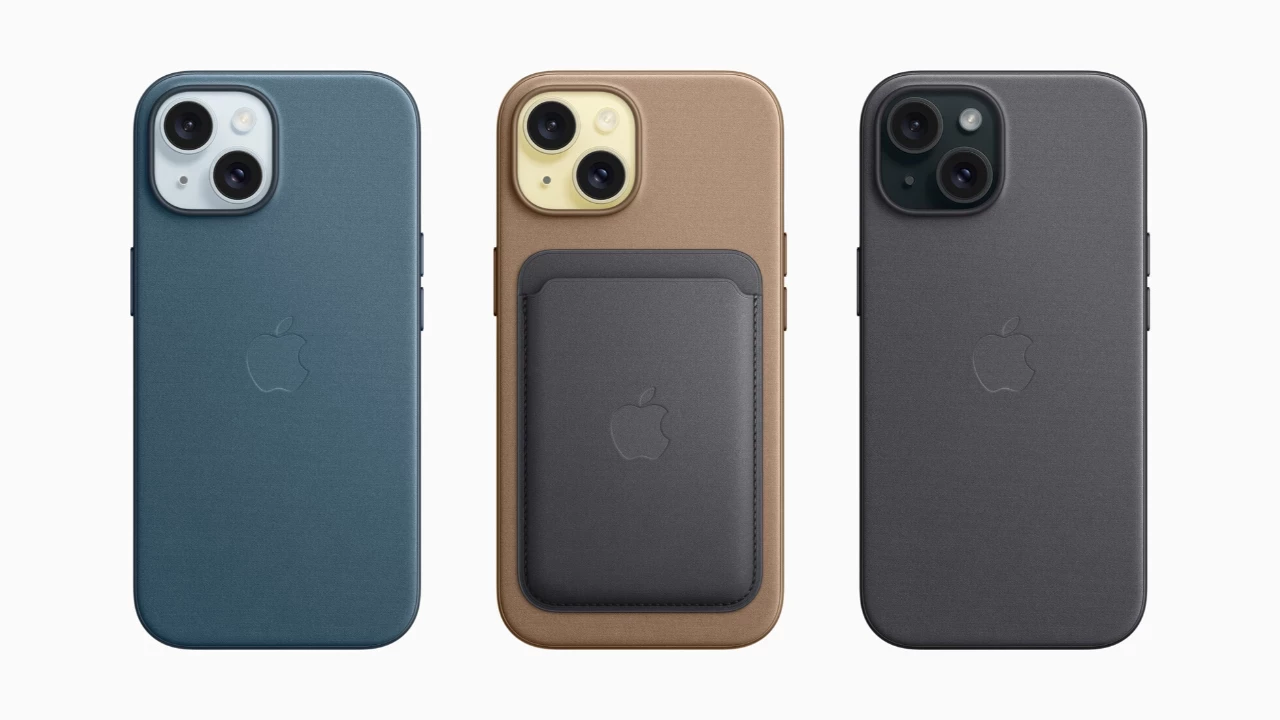
    This is the precise situation where the technological accessory known specifically as the Reetle SmartInk I intervenes and offers the necessary resolution to the previously mentioned dilemma, establishing itself as the ideal solution.
    Let us start our assessment and investigation by first considering the product’s official title. The new business venture that created the protective case explicitly states that the chosen designation, which serves as the official label for both the company and the item itself, directly symbolizes two distinct and important aspects of how the accessory was engineered and designed.

    The iPhone Case Name Shows Text Display and Reading

    The first part of the product name clearly shows its main function is viewing text and reading. Conversely, the subsequent segment of the name represents the protective and tough quality of the casing by evoking the image of a hard shelled insect. By combining these two particular elements together, after specifically removing a few unnecessary letters, the final product name “Reetle” is derived.It is essential to draw attention to an additional and crucial piece of information: if an individual owns an Android mobile device, this specific electronic paper accessory is currently unavailable to them. This is because the device’s functionality is presently limited solely to the most recent Apple smartphones, with compatibility restricted to specific, modern iPhone models, ranging from the 14th generation up through the 17th generation, including the Air variants.

    This entire concept fundamentally expands the functional scope and general usefulness of a standard protective smartphone cover. The core functionality of the accessory is derived from a dedicated electronic paper display that measures 3.97 inches diagonally and allows for complete touch interaction, with the visual quality maintaining a high level of clarity supported by a pixel density measuring 235 units per inch.

    Users Can Reduce Eye Strain and Increase Comfort

    Instead of using apps for long reading or work review on a vibrant screen, users can now reduce eye strain and increase comfort. Reading material is transferred to the thin, protective E Ink panel on the bottom of the Reetle case, securely held by magnets.

    Beyond the specialized functionalities offered by the artificial intelligence tools focused on viewing text, this central processing unit also provides the valuable capability to convert spoken words into written script. This particular feature suggests that the device has the high potential for instantly generating a live, written record of a phone call, capturing and transcribing the audio while the user is actively engaged in speaking.

    Integrated Artificial Intelligence System Offers a Valuable Feature

    The integrated artificial intelligence system additionally provides the valuable capability to condense lengthy written records of conversations or meetings, such as the transcribed notes we just discussed. Furthermore, the system can efficiently arrange and save all of that essential information in an organized fashion, making it simple and quick to retrieve the necessary data later without any difficulty, and, remarkably, it has the capability to instantly convert text across more than one hundred distinct global languages.

    However, for professional users, a foundational business subscription is offered that can be purchased for the price of 99 dollars and 99 cents per year, and this specific package significantly increases the monthly allowance for converting speech to text to one hundred fifty minutes. Alternatively, there is a more premium and advanced professional package available, which grants the user access to a full two hundred fifty minutes of transcription time for the annual fee of 149 dollars and 99 cents.
    What Does an Electronic Paper Display Do?

    This electronic paper display is also fully capable of showing a wide variety of useful information and visual data. This includes small interactive applications, essential chore tracking lists, electronic contact cards or important travel documents, scannable Quick Response codes, and many other forms of utility items.

    Additionally, the manufacturer has explicitly guaranteed and stated that the accessory possesses the capability for effortless and entirely uninterrupted transfer of data with surrounding electronic hardware. This smooth, automatic synchronization of information is possible by utilizing either of the two major wireless protocols, which include both Wi Fi and Bluetooth wireless standards.

    This accessory is specifically designed not to consume or drain any electrical power from your primary mobile device, as the case is equipped with its own dedicated, integrated 300 milliampere hour battery source to draw from. This internal power is reliably estimated to sustain the accessory for seven entire days while remaining on standby, or it can support a sustained usage of ten full hours, which is the same duration for both reading sessions and voice
    recording sessions.
    This Accessory Works Effectively With Apple’s Specially Designed MagSafe System

    The engineering team responsible for the development of this specific product additionally states and confirms that the accessory possesses the full capability to effectively interact with and function properly using the specific proprietary MagSafe wireless charging system designed by Apple.

    Considering every included feature, this accessory clearly offers significant supplemental value for consumers who desire much more than just basic physical defense or standard shock absorption from an outer case. While the preliminary working model of the Reetle SmartInk I was physically developed and tested using a specific Apple device, the iPhone 16 Pro, the final production version is expected to interact properly and be fully compatible with every single variant of the iPhone starting from the 14th generation and extending to subsequent newer releases.
    In order to secure the necessary financial resources required for mass manufacturing and commencement of the assembly process, the new business venture based in Hong Kong initiated an active campaign on the popular crowdfunding platform, Kickstarter.

    On this specific platform, the minimum monetary contribution required to secure the product is approximately 120 United States dollars, which provides early supporters with a substantial forty percent reduction from the final anticipated retail price in stores.It is important to remember that every single financial campaign undertaken on a crowdfunding platform inherently involves a necessary degree of inherent uncertainty and potential hazard.This particular project, notably, appears to be the inaugural product released by Reetle and simultaneously represents the company’s very first time utilizing the Kickstarter platform, so potential supporters should seriously consider this factor before committing any funds. However, assuming the development and manufacturing processes proceed exactly as intended, the dispatch of the final product to supporters is currently projected to commence in February of 2026.
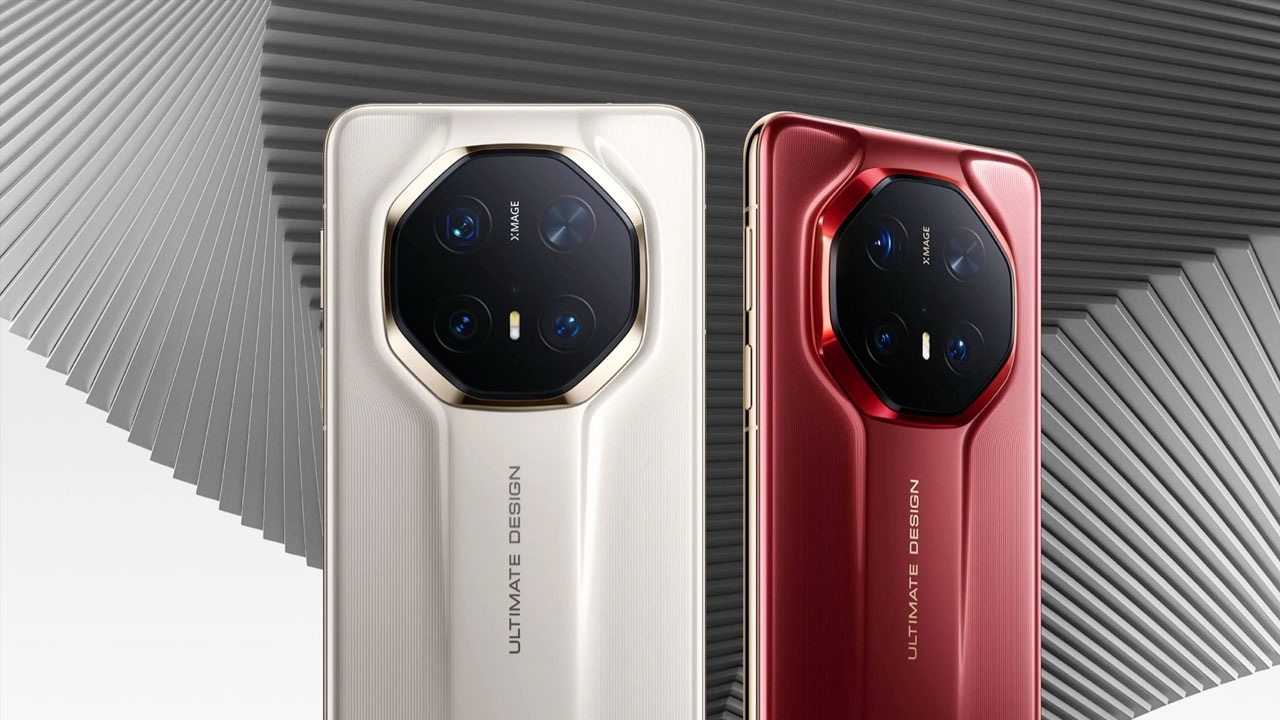
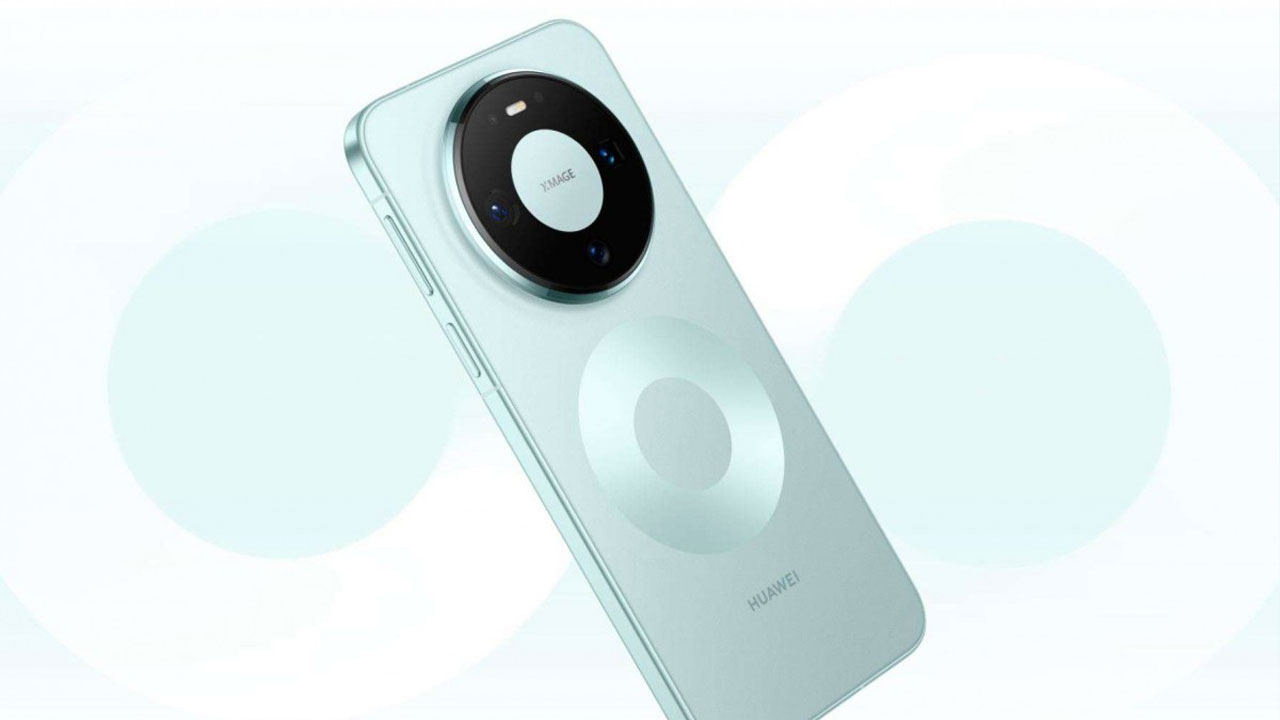
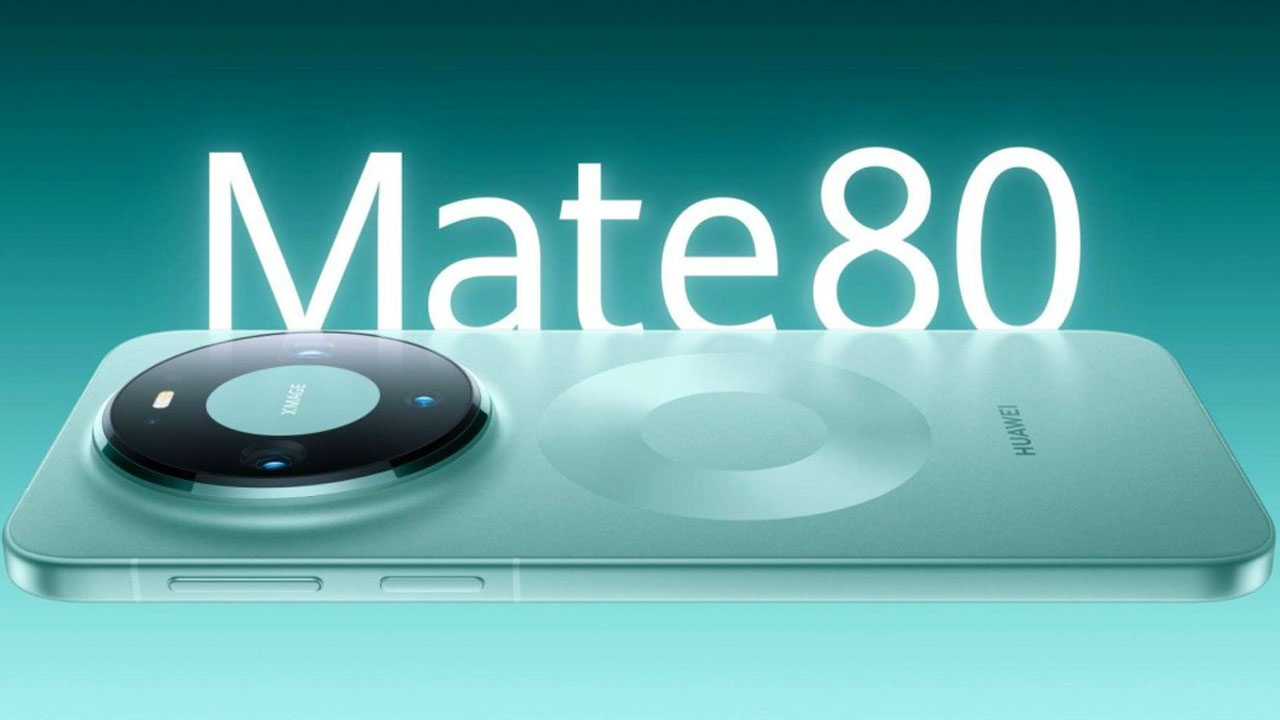
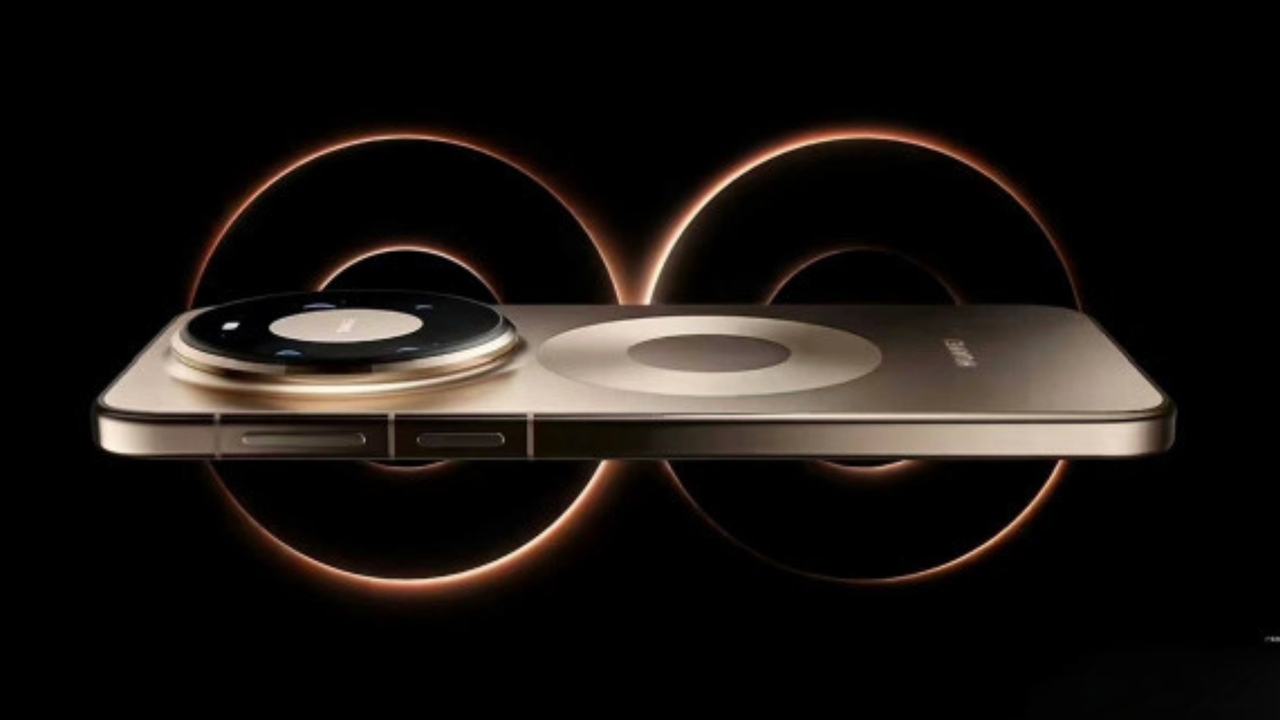
  • Huawei’s Mate 80 and Mate 80 Pro Stand Out With Their Camera and Battery!

    Huawei’s Mate 80 and Mate 80 Pro Stand Out With Their Camera and Battery!

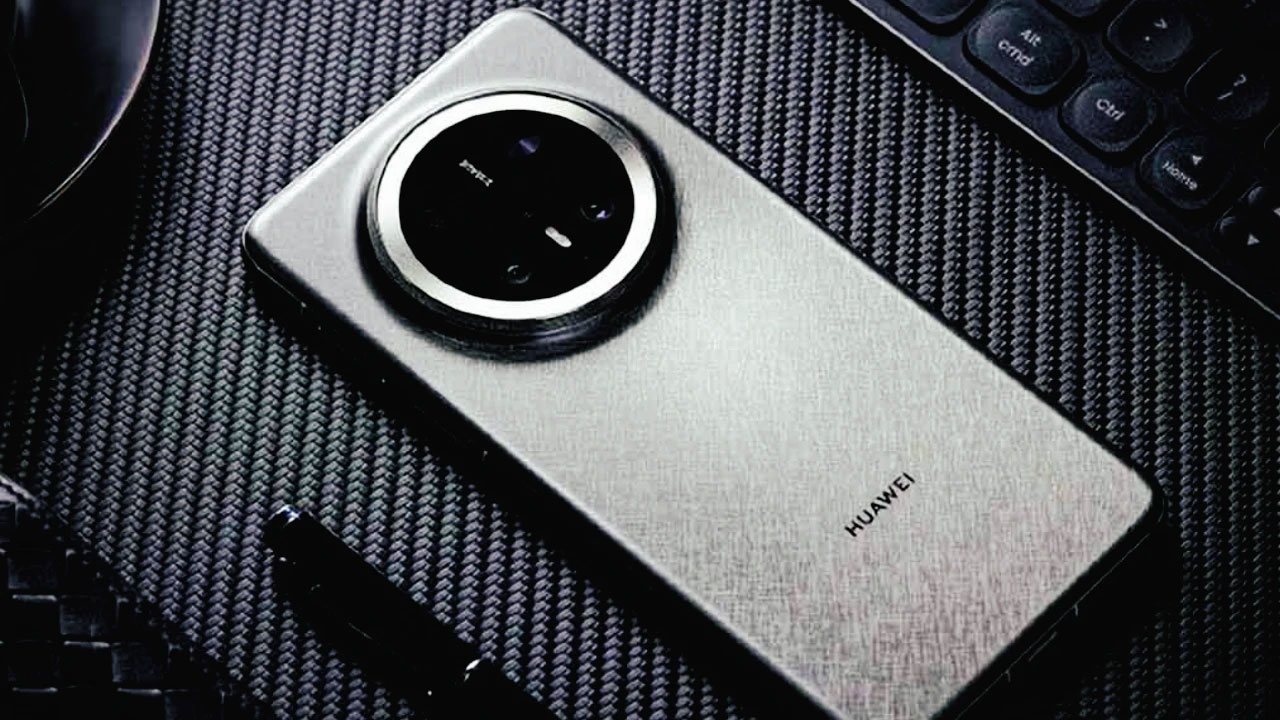
    Huawei’s Mate 80 and Mate 80 Pro share 5,750 mAh batteries and triple rear cameras.

    The two models share several components, such as the display and battery, resulting in a design that is nearly identical across both devices.

    Each phone is equipped with an identical 6.75-inch LTPO OLED display that can shift its refresh rate between 1Hz and 120Hz. The panel has a resolution of 1280 × 2832 pixels, supports 1.07 billion colors, and provides complete P3 color-gamut coverage. Additional technical specifications include 1440Hz Pulse Width Modulation (PWM) dimming and a 300Hz touch sampling rate.

    Huawei Achieved the Highest Value!

    According to Huawei, the display is capable of reaching a maximum brightness of 8,000 nits, which the company states is the highest ever achieved by a phone panel.

    •⁠  ⁠The display is covered by the second-generation Kunlun Glass for protection.
    •⁠  ⁠Both phones are equipped with identical biometric and communication features, including a 3D ToF face-scanning camera, a side-mounted fingerprint reader, and the ability to use satellite communication.

    The Mate 80 Pro utilizes the Kirin 9030 processor, while the standard Mate 80 features the Kirin 9020. Specific technical details on these chipsets are currently scarce.However, Huawei has stated that the Kirin 9030 offers a 35% performance improvement over the Kirin 9020, which in turn provides a 35% increase in speed compared to the Kirin 9010.

    The Mate 80 Pro Max Has The Kirin 9030 Pro Integrated

    An additional processor, the Kirin 9030 Pro, is integrated into the Mate 80 Pro Max. This chip is positioned as an upgrade over the Kirin 9030 found in the Mate 80 Pro.Huawei claims the 9030 Pro is approximately 42% faster than the Kirin 9020.Based on the previous performance figures, this would suggest the Kirin 9030 Pro offers a 7% speed increase over the Kirin 9030 non-Pro version.

    The Mate 80 Pro Max is exclusively offered with 16 GB of RAM. In contrast, both the standard Mate 80 and the Mate 80 Pro begin with 12 GB of RAM, with their highest-tier configurations going up to 16 GB.Both devices are equipped with a 5,750mAh battery, though the Mate 80 Pro features significantly faster charging capabilities, supporting up to 100W wired and 80W wireless charging. The regular Mate 80 continues to offer strong charging performance with 66W wired charging and 50W wireless charging.

    In terms of cameras, the two models have both overlaps and differences. Each device includes a triple rear-camera setup and uses the same 13MP front camera with an f/2.0 autofocus lens.

    Mate 80 Featuring A Triple Rear Camera Setup

    The Mate 80 features a triple rear camera configuration beginning with a 50MP wide-angle sensor, utilizing a 1/1.28-inch RYYB sensor and a variable aperture lens that ranges from f/1.4 to f/4.0.This is complemented by a 40MP ultrawide camera with an f/2.2 lens, and a 12MP telephoto camera providing 5.5\times optical zoom via a 125mm f/3.4 lens.

    The Mate 80 Pro retains the same wide-angle and ultrawide cameras as the standard model, but differentiates itself with an improved telephoto unit. This sensor is 48MP and utilizes a 4\times (92.5mm equivalent) telephoto lens, which features a notably brighter f/2.1 aperture.• Both camera systems utilize Huawei’s second-generation Red Maple imaging chip, which is responsible for tuning image processing and color.